
Environmental activism, climate consciousness, and political positions in Poland and beyond
Panel conversation with Adam Fagan, Anna Krakus and Thomas Morton, moderated by Tea Sindbæk Andersen.
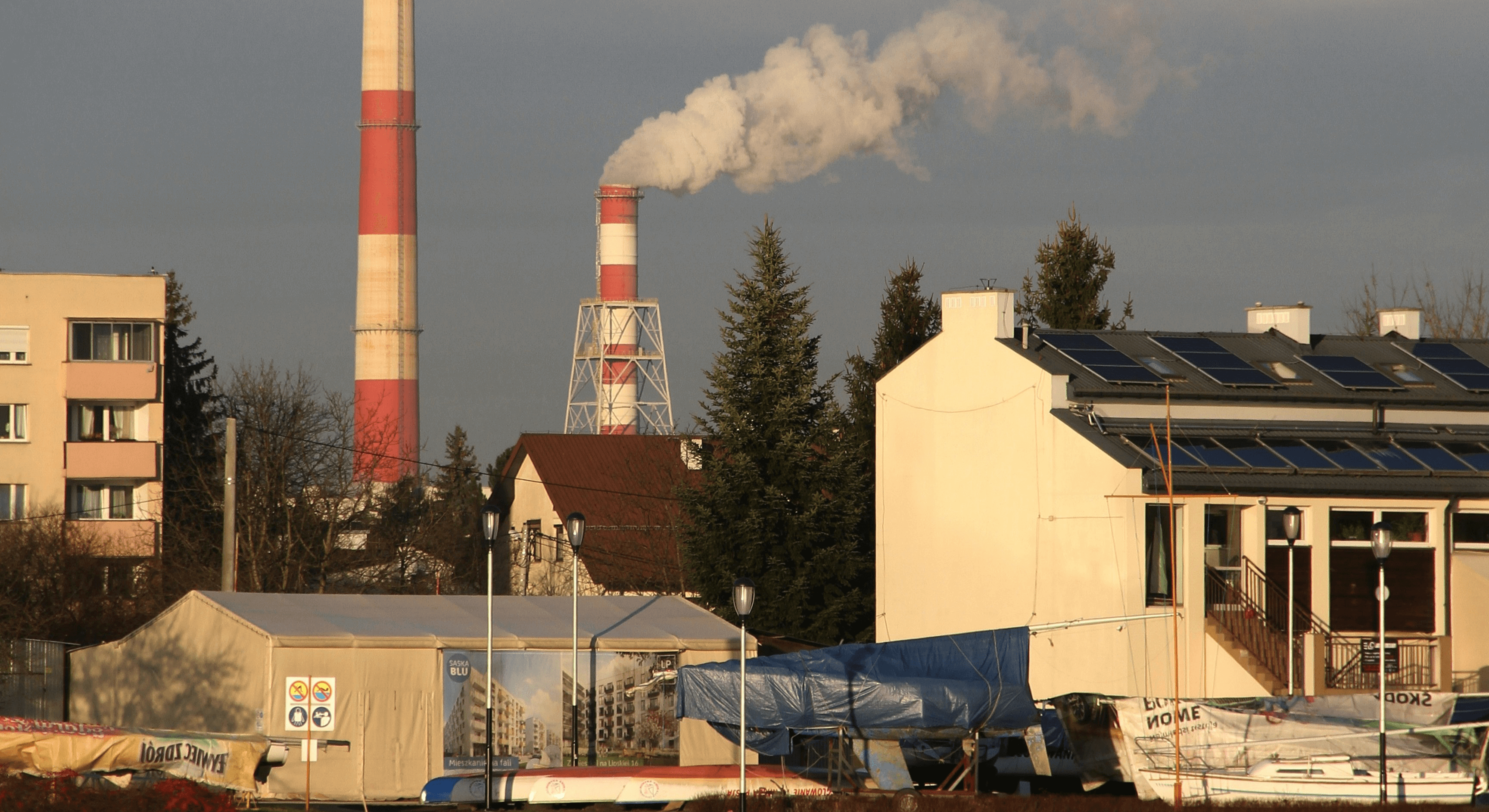
Poland, like many Central and East European countries, relies heavily on coal for energy supply, while at the same time suffering from serious air pollution causing high numbers of premature deaths. Moreover, Poland has, like other European countries, experienced waves of democratic backsliding and intense political polarization. How do these environmental and political changes interact?
This panel explores the relationships between climate consciousness, perceptions of environmental crises, and political engagement in Poland and beyond. How do Polish politicians react to the challenges of pollution and climate change? How does local grass-root activism influence environmental politics in Poland? Does climate consciousness and perceptions of environmental crises influence peoples’ political positioning more generally?
Registration
Please register for the event here.
Reception
After the event, there will be a small reception.
Bios
Adam Fagan
Adam Fagan is professor of European Politics at King’s College London. His current research focuses on democratic resilience and anti-populist mobilisations in central and eastern Europe, Europeanisation and pro-democracy movements in the post-conflict states of the western Balkans and south east Europe, and environmental activism and the politics of transition from coal in Poland.

Anna Krakus
Anna Krakus is tenure track assistant professor in East European Studies at the University of Copenhagen. Anna is a specialist on contemporary Poland. Her current research interests include Polish culture, media and film, and museums and memory culture.
Thomas Morton
Thomas Morton is professor of social psychology at the University of Copenhagen. Thomas’ research interests span a range of theoretical and applied concerns connected to concepts of self, identity, and social & physical environments, including the role of social identities in shaping how people perceive, experience and act within physical environments.
Tea Sindbæk Andersen
Tea Sindbæk Andersen is associate professor in East European Studies at the University of Copenhagen. Tea is humanities research fellow at CApE in the spring of 2026. Her research focuses on the contemporary history of Southeastern Europe, particularly on issues related to cultural memory, uses of history, identity politics and popular culture in the Yugoslav area.