
Settler-Colonial Logics in Climate Fiction
Talk with Professor Nicole Seymour (California State University, Fullerton (US), and fellow at Center for Applied Ecological Thinking).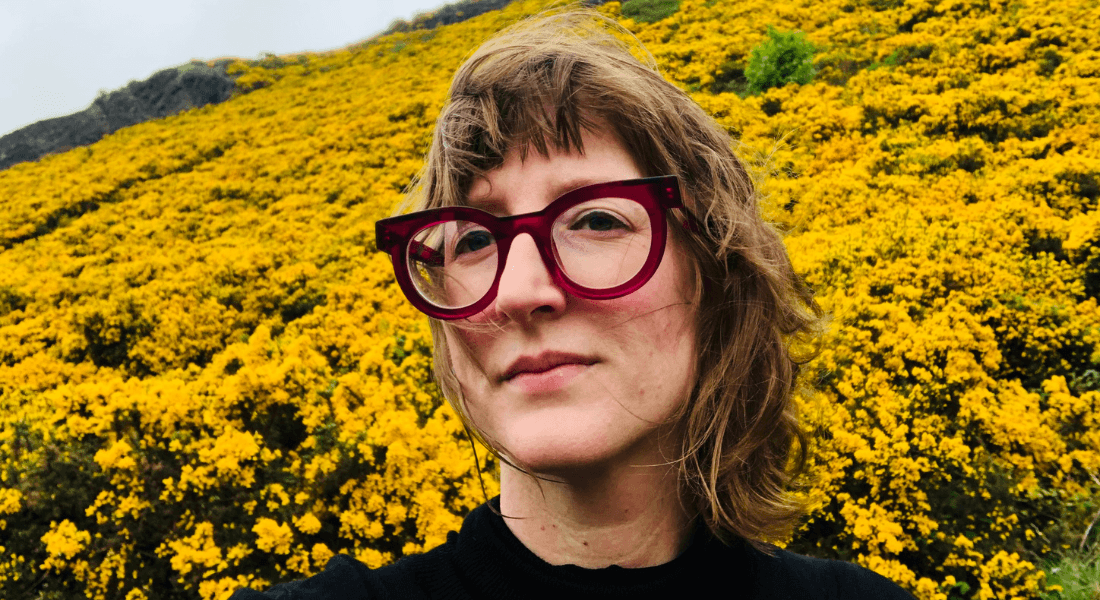
In this talk, literary scholar Nicole Seymour will present her research on a seemingly random yet common trend across contemporary U.S. climate fiction, or “cli-fi”: the active erasure of Indigenous perspectives. This trend is however not random at all, but a logical extension of the American project of colonialism. Specifically, it fits within what Phillip J. Deloria (Yankton Dakota) has termed “Playing Indian,” and what Eve Tuck (Unangax̂) and Wayne K. Yang have called “settler nativism,” or the white imagining of oneself as original to a place.
Such engagement with Indigeneity appears not just in white-authored cli-fi—such as Kim Stanley Robinson’s New York 2140 (2017) and Lydia Millet’s A Children’s Bible (2020)—but also in cli-fi from authors of color—such as Octavia Butler’s Parable of the Sower (1993) and Karl Taro Greenfeld’s The Subprimes (2015). These literary works indicate that the crisis of climate change may prompt one to imagine an altered planet, but not an altered politics.
Seymour argues that contemporary U.S. climate fiction, while seemingly progressive, participates in what geographer Erik Swyngedouw calls “post-political climate populism”: a way of thinking about climate change as a threat to humanity, broadly conceived—which thereby fails to grasp “the fundamental socio-ecological relations that constitute the problem in the first place.” Foremost among these relations is settler colonialism.
The talk will be followed by a reception with some light refreshments.
Bio
Nicole Seymour is professor at California State University, Fullerton (US), and fellow at Center for Applied Ecological Thinking. Seymour specializes in environmental cultural studies with a particular focus on queer ecology, affective ecocriticism, and environmental justice. Key publications include Strange Natures: Futurity, Empathy, and the Queer Ecological Imagination (University of Illinois Press, 2013) and Bad Environmentalism: Irony and Irreverence in the Ecological Age (University of Minnesota Press, 2018).)