
What does it mean to look at land in an age of ecological devastation? Film, extraction, and the politics of land
A talk with Becca Voelcker, author of Land Cinema in an Age of Extraction
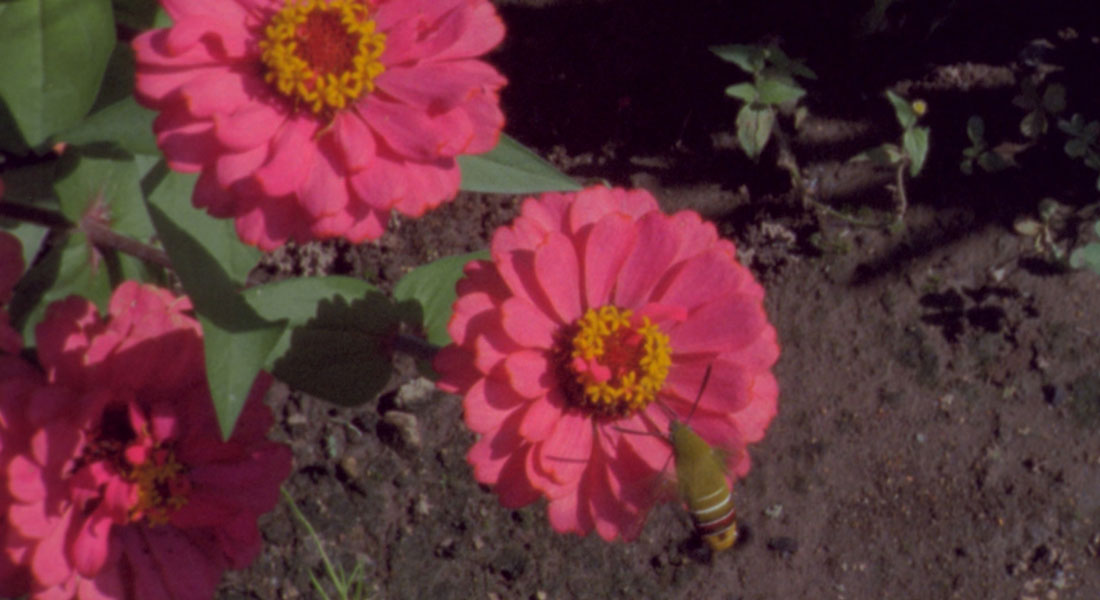
How to represent land subjected to extraction without reproducing the very forms of distance and possession through which land has historically been exploited? In other words, how to avoid an extractive gaze? And what can a camera reveal about the social and political structures that have produced it?
In her book Land Cinema in an Age of Extraction, published by the University of California Press, Becca Voelcker traces a body of experimental films, documentaries, and essay-films made from the 1950s onwards that approach land as a site of social and environmental responsibility and struggle. Focusing particularly on film artists and collectives working in the 1970s and 1980s, Voelcker uncovers a largely overlooked green counterculture in which the camera became a tool for engaging with entanglements race, gender, and environmental justice.
Voelcker describes this practice as Land Cinema: a mode of filmmaking that moves beyond and critiques established Western notions of landscape in dialogue with the anti-colonial and working-class traditions of Third Cinema. Drawing on case studies from Japan, Mali, Colombia, North America, and Europe, Land Cinema asks what forms of filmmaking emerge when those living and working on the land become central to representing it.
Voelcker’s research explores globally diverse but also interconnected and solidarity-infused relations between cinema and struggles over land. Her insights into Japanese fukeiron, or “landscape theory”, and her work on filmmakers and theorists such as Trinh T. Minh-ha further examine questions of positionality and the relationship between those behind and in front of the camera. In doing so, her work connects environmental crisis to a broader crisis of care: asking how we might develop less extractive ways not only of inhabiting the land, but also of seeing it.
In her talk at CApE, Voelcker will build on the ideas developed in Land Cinema in an Age of Extraction and introduce her current research, exploring what cinema can contribute to contemporary debates about extraction. After Becca’s lecture there will be time for a Q&A moderated by Aske Viuff Jakobsen.
Bios
Becca Voelcker
|
Becca Voelcker is a writer and researcher working across art, film culture, and environmental humanities. Her work explores the relationships between cinema, extraction, ecology, and political life. She grew up in the Eryri region of Wales, and after completing her PhD at Harvard University in 2021, she joined the faculty at Goldsmiths, University of London, where she continues to research and teach across film and visual culture. In 2024, she was named BBC New Generation Thinker. Her first book, Land Cinema in an Age of Extraction, was published by the University of California Press in 2026. The book traces a tradition of experimental and documentary filmmaking that approaches land as a site of ecological, social, and political struggle. The publication was accompanied by a BBC Radio programme and a curated film series at the Barbican. |
 |
Aske Viuff Jakobsen
| Aske Viuff Jakobsen is a fiction writer and PhD Fellow. His current project at IKK, University of Copenhagen, focuses on contemporary essay film dealing with planetary extraction mining, examining relations between energy production and image-making. An alumnus of the Danish Academy of Creative Writing, Aske has a background as a fiction writer (Terminaler, Gyldendal) and has also worked as an independent researcher (w/ Aftenskole) and as a creative writing teacher. |  |
Registration
Sign up for the event! It is free, and for everybody.
Public cinema screening
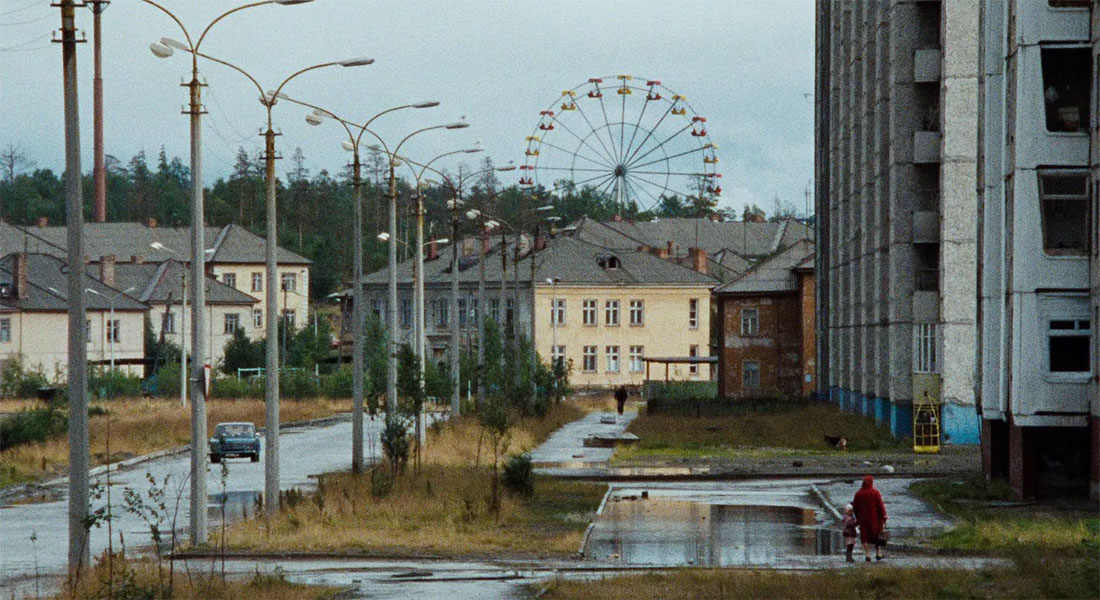
In the evening there will be a public screening at cinema Gloria in Copenhagen. More info will follow shortly.